
Unlocking the Power of Pet Therapy for Children: A Guide for Families
Discover the benefits of pet therapy for children and how it can help address emotional and psychological challenges. Get started with this rewarding approach today.
When it comes to finding effective therapies for children facing emotional or psychological challenges, pet therapy stands out as a proven method that can offer significant support. Introducing an emotional support animal into your child's life can make a world of difference. In this article, we'll explore what pet therapy for children entails, the conditions it can help address, and how to get started with this rewarding approach.
What is Pet Therapy for Children?
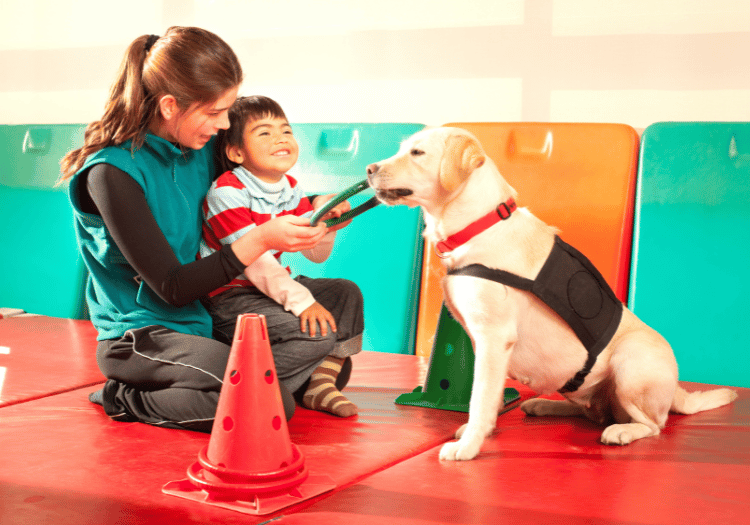
Pet therapy for children involves integrating animals into therapeutic practices to provide emotional support. Growing up can be particularly challenging, even under the best circumstances, and for children dealing with physical, mental, or emotional disabilities, the need for additional support becomes even more critical.
Unlike traditional therapy, pet therapy offers a non-judgmental companion that children can relate to, confide in, and bond with.
Whether in a care environment like hospitals or as part of a family setting at home, pet therapy serves as an invaluable resource in helping children navigate their feelings and experiences.
Conditions Pet Therapy Can Help With
Research has shown that pet therapy can be beneficial for a variety of conditions, including:
Autism Spectrum Disorder
Animals can help children with autism improve their social skills and emotional expression.
Obsessive-Compulsive Disorder (OCD)
The presence of a pet can offer comfort and reduce anxiety levels.
Behavioral Disorders
Engaging with a pet can promote positive behavior and emotional regulation.
Developmental Disabilities
Pets enhance communication and social interactions.
Muscular Dystrophy
Interaction with animals encourages physical activity and can aid in therapy.
Bell's Palsy
Pets provide emotional support during recovery and rehabilitation.
Post-Traumatic Stress Disorder (PTSD)
Therapy animals can help children process trauma and find comfort in companionship.
The benefits of pet therapy aren't limited to children; parents and caregivers also find solace in knowing their child has a reliable source of emotional support at home.
Advantages of Animal-Assisted Therapy
Animal-assisted therapy, which incorporates companion animals into therapeutic practices, offers numerous benefits:
Lowered Blood Pressure
Interacting with pets has been shown to reduce stress and lower blood pressure levels.
Improved Heart Health
The emotional bond with a pet can positively affect heart health.
Pain Reduction
Animals provide comfort during times of pain or discomfort.
Improvement in Fine Motor Skills
Caring for a pet encourages the development of motor skills.
Improved Social Engagement
Pets facilitate social interactions, helping children build relationships.
Increased Exercise/Physical Activity
Caring for a pet encourages outdoor activities and physical play.
These advantages highlight the significant impact that pets can have on a child's emotional and physical well-being.
Getting Started with Pet Therapy
If you're interested in incorporating a pet into your child's therapy, the first step is to consult our veterinarians at Union City Vet Med Center. Our team can provide guidance on the types of emotional support animals that may be suitable for your child and ensure that your new pet receives the best care possible.
Pet therapy is an invaluable resource for children facing various emotional and psychological challenges. With the support of an emotional support animal, children can find comfort, companionship, and a unique way to express their feelings. If you believe this approach may benefit your child, don't hesitate to reach out to our experts at Union City Vet Med Center for more information.
If you need more help or have any questions, call us at Union City Vet Med Center at (510) 441-8500 or visit us at 33663 Mission Blvd, Union City, CA 94587, US. Hours: Tuesday-Friday: 8:00 am-7:00 pm, Saturday 8:00 am-6:00 pm, Monday and Sunday Closed.